Featured Article

Why Are Graduates Turning to Trades?

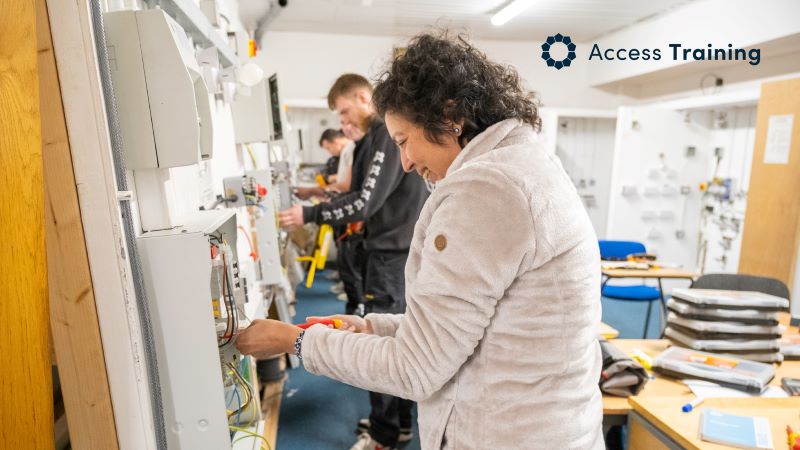
In today’s society, where many people see a university degree as the only route to success, a shift is taking place. An increasing number of university graduates are putting down their textbooks and picking up tools, shifting their attention to the skilled trades. But why?

Let’s break down the key reasons why graduates are turning to the trades.

 More...

READ ARTICLE

Why Are Graduates Turning to Trades?

In today’s society, where many people see a university degree as the only route to success, a shift is taking place. An increasing number of university graduates are putting down their textbooks and picking up tools, shifting their attention to the skilled trades. But why?

Let’s break down the key reasons why graduates are turning to the trades.

 More...

How to Pivot from Office Work to Trade Work

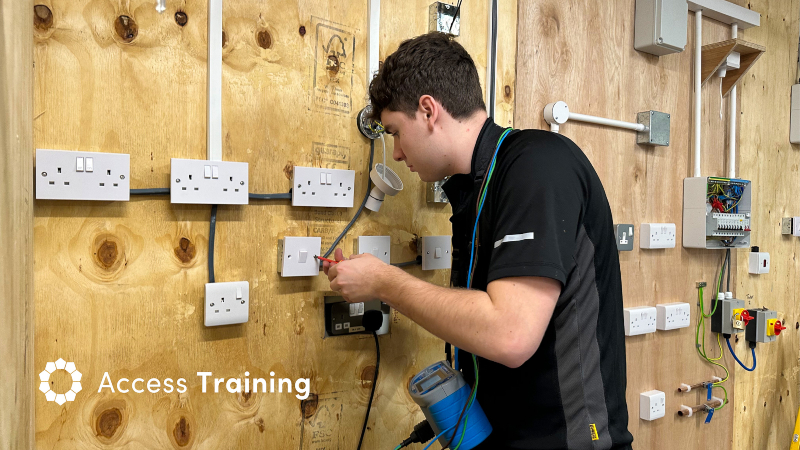
Making a career change at any point in your life can be daunting, especially if you’re considering a switch from office work to trade work. But don’t fret – the transition from office work to the trades is more straightforward than you might think.

So, whether you’re sick of sitting at a desk all day or just craving more hands-on work, keep reading this blog to find out what steps you need to take to pivot from your office job into a skilled trade. Let’s dive in!

 More...

With the rapid advancement of AI reshaping how we live and work, it is no surprise that many people are concerned about job displacement. As robots start taking over jobs and technology makes certain roles obsolete, it has become increasingly important to choose a career path that has a low risk of becoming automated in the future.

So, which careers will remain strong and even thrive in the age of AI? Let’s take a look at some of the most promising fields for this new era!

 More...

I Already Have a Degree - Can I Still Learn a Trade?

If you already have a university degree, you might feel like the career path you’ve chosen is set in stone. But if your degree subject no longer excites you or you’re seeking greater job security and more hands-on work, you may be wondering: Is it too late to learn a trade?

The short answer is: absolutely not. You can definitely learn a trade at any age, even if you already have a degree. In fact, many people with academic backgrounds are turning to the trades to find stable and rewarding careers.


Why More University Graduates Are Turning to the Trades

In recent years, an increasing number of university graduates are stepping into skilled trades like plumbing, electrical work and HVAC – but why?


Less Debt

Most trade courses are shorter and more affordable than 3-year university degrees. Plus, you can earn while you learn without the worry of extra student loan debt! A shorter, more focused trade education also leads to a quicker return on investment compared to the duration of a degree programme. Don’t forget – skilled trades can offer competitive salaries, with experienced plumbers earning upwards of £45,000 per year.


Job Security

Skilled tradespeople are always in high demand, so by learning a trade you should always have access to steady employment. In addition to this, trades like electrical work, plumbing and gas are less susceptible to automation by AI, so currently offer far greater job security than many traditional office-based roles.


Desire for Practical Skills

Many graduates find the practical, hands-on nature of the trades more appealing than a 9-5 desk job. Trade work allows individuals can see the direct impact of their efforts, providing a strong sense of accomplishment and satisfaction. So, if you’re someone who enjoys physical activity and is looking to make a difference in your community, trade work could be perfect for you!


Entrepreneurial Opportunities

Many tradespeople start their own businesses after qualifying, giving them flexibility and entrepreneurial independence. By becoming a self-employed tradesperson, you can choose what types of jobs you take on, adjust your work hours to accommodate your personal commitments and choose how you want to run your business.


Will My Degree Be Wasted?

After you have put time, money and effort into earning a degree, it’s understandable that a full career switch to the trades may seem like a waste. However, your degree may actually be a huge asset for you in the world of trade work!

For example, a business degree will give you a head start when it comes to running your own plumbing or electrical company, and a social sciences, English or psychology degree will make you an excellent communicator with clients and your team.

If you have a background in engineering you could even be uniquely qualified for more technical trades like machining and industrial maintenance!


So, if you’re feeling stuck in your chosen career path and crave something more hands-on and in-demand, learning a trade could be perfect for you.

Your university degree will not be wasted, instead it can give you can edge, providing you with critical thinking skills and a work ethic that is sure to benefit you in a trade environment.


If you’re interested in what trade courses are on offer, check out our course information by clicking the button below:

Browse Trade Courses

If you have any further questions about starting a career in the trades, get in touch with us at Access Training today!

In a world where pursuing higher education and university degrees is the societal norm, there’s another path that deserves just as much attention – learning a trade. From plumbing to electrical work, learning a trade can be extremely rewarding and often leads to highly successful careers. So, is learning a trade worth it? This blog will help you decide!

More...

benefits of learning a trade
In today’s world, there is a strong push towards pursuing university degrees and higher education and so the immense value of learning a trade is often overlooked. Whether it’s construction, plumbing or electrical work, the benefits of pursuing a trade are vast and varied. In fact, for many people learning a trade may be a far more rewarding career move than a traditional university degree.

So, why is learning a trade so appealing? Let’s dive into the key benefits.

More...

Alternatives to University

Need an alternative to university? Read our article for 5 university alternatives that could kickstart your career, including apprenticeships and training courses!

In recent years, there has been a growing debate about the value of university education. Some people argue that university is the best way to get a good job and earn a high salary, however not all employers value a degree. There seems to be a growing emphasis on "experience" as a barrier to employment.

If you don't want to go to university, or it's just not an option for you, then there are plenty of uni alternatives that can help you find a rewarding career. In this article, we'll explore the reasons why university is not always the best option, and give you some idea of what you can do instead of university.


Is It Okay to Not Go to University?

Yes, it is okay to not go to university! Throughout your school life, it may seem as though teachers, family, and peers are all encouraging you to take a certain path that you may not necessarily think is the best fit for you. We know the price of going to university often puts off potential students, and the idea of living in debt is a daunting thing to face - particularly at a young age. Plus, 3-4 years on just one course can seem like a massive time investment.

What’s more is that university seldom fulfils the expectations of those attending. Recent statistics show that there are "over 96,000 unemployed graduates each academic year." Research has also shown that an average of 48,548 students each year drop out of their courses.

If you can't get over the negatives, there are plenty of alternatives to university, like apprenticeships and shorter training courses. Although a degree is needed for some jobs, there are plenty of careers (like trade careers) that you can achieve through university alternatives.


What Can I Do Instead of University?

There's lots that you can do instead of university, like get a job, or learn a trade. If you are among the growing number of school leavers and students who feel that university might not be the right choice, read on for 5 alternatives to university that you can do instead.

Some popular alternatives to university are:


1. Do an Apprenticeship

If you’d like an alternative to university that will still help you acquire valuable skills and qualifications, then an apprenticeship might be the best route for you.

Apprenticeships are very good alternatives to university. They give you the opportunity to experience the world of employment while earning a decent wage. In essence, it’s like paid work experience in your chosen field, and one which will greatly increase your employability. Combining valuable work experience and training will give you the necessary skills to start your chosen career path.

There are plenty of apprenticeship opportunities available for those who are looking to learn, particularly in industries like the trades. If you are interested in becoming a plumber, electrician, or gas engineer, then you can get started with an Access Training Apprenticeship.


2. Take a Gap Year

If you’re still undecided about going to university by the time you finish school, there is no need to despair. People don’t always know for sure what it is they want to do, perhaps not until years later. If you're looking for what to do instead or uni, you can always take a break to think about it.

Gap years are an increasingly popular choice for people who want something to do instead of university. Taking time to consider all your available options, give yourself a break from education, and perhaps get some life experience working or travelling can be beneficial to your overall growth. This can be a great uni alternative if you aren't quite sure if you want to continue into higher education or not - it gives you a chance to think things through.

It might also be an opportunity to gain new qualifications in your spare time. Enhancing your personal statement or CV can help to improve your employability. Consider enrolling in some training courses to help you acquire new skills during this break. Staying productive during this break, by learning a skill or trade, will show future employers that you weren't just sitting around for a year. It demonstrates determination and passion.


3. Get a Job

Not everybody is destined for an academic route. And it’s perfectly acceptable to hop off the education train after your GCSEs or A Levels and head straight into the working world. If you aren’t interested in an academic future, but would much rather get your hands stuck in, then that's a totally valid alternative to uni. Some people don't want to go to university at all - and that's okay!

A good option for you could be to cash-in on the qualifications you’ve earnt at your time in school and begin your working life. It can be difficult to start your career with no experience, but it's not impossible. Look for jobs with no experience required, like some customer service roles.

If you're struggling to find work with no qualifications, here's the plan: compromise. You need something that pays, but still helps you achieve qualifications. Consider an "earn while you learn" university alternative. At Access Training, we offer these for Plumbers, Electricians, and Gas Engineers.


4. Study Overseas

Why not combine a gap year with a common university experience and study overseas? If you are excited by the idea of travelling and learning at the same time, this might be the way to go.

With several overseas studying schemes available to students, this uni alternative is increasingly popular. Some employers may even be impressed by seeing oversees study on your CV, due to the independence it demonstrates, which can set you apart from other employees. However, keep in mind that this route can be expensive and will require you to move away from your home, which can be surprisingly difficult. Only choose this university alternative if you are sure it is right for you.


5. Learn a Trade

Uni Alternatives

Not everybody wants to continue down the academic route after school, and the trade industry is an excellent alternative to university.

Tradespeople such as plumbers, electricians and gas engineers are thriving off the skills shortage that's currently plaguing the industry. As a result, studying a trade could result in pretty steady employment for you. With a rapidly rising UK population and huge housing and road developments proposed for the future, tradespeople are likely to see a rewarding career.

With a huge workforce needed to make these developments happen, as well as the maintenance and installation of appliances for years to come, a career as a tradesperson could be the perfect university alternative.

If a career in the trade appeals to you more than going university, take a look at the courses available at Access Training today.


What will you do instead of university?

As we've seen, there are many great university alternatives out there! If you would like to discuss your alternatives to university and what course would best suit your interests, we can help. With the help of our experienced course advisors, we can put you on the right path to a successful, fulfilling career. Talk to us today for more details.

Contact Us

Changing careers from retail to trades

Changing careers is never an easy decision and for those who have spent years in retail and are considering a shift to a trade profession, the transition can seem daunting. This blog will go over why a transition from retail to the trades could be the perfect opportunity for personal and professional growth and will discuss how Access Training can help you make the leap.

More...

If you’re looking to learn a trade, you may have encountered adverts from companies that purport to offer 'free electrician training' or 'free plumbing courses'. But remember: if something sounds to good to be true, it probably is.

More...

Get in touch to learn more about our training courses!

First Name *
Surname *
Telephone Number *
E-mail address *
Ask A Question *
 
Security Character Security Character Security Character Security Character Security Character Security Character
Enter Letters (No Spaces) *