Latest News

Learn all about the training courses we provide and catch up on recent news stories from the trade world.

Featured Article

Why Are Graduates Turning to Trades?

In today’s society, where many people see a university degree as the only route to success, a shift is taking place. An increasing number of university graduates are putting down their textbooks and picking up tools, shifting their attention to the skilled trades. But why?

Let’s break down the key reasons why graduates are turning to the trades.

 More...

READ ARTICLE

Why Are Graduates Turning to Trades?

In today’s society, where many people see a university degree as the only route to success, a shift is taking place. An increasing number of university graduates are putting down their textbooks and picking up tools, shifting their attention to the skilled trades. But why?

Let’s break down the key reasons why graduates are turning to the trades.

 More...

Can You Learn a Trade Online?

In today’s world where online learning is becoming increasingly popular, many people wonder: can you learn a trade online? While the digital age has made it possible to learn the necessary skills for many professions without needing to step foot in a classroom, this blog will explore whether or not it is realistic to learn a skilled trade purely online – let’s dive in!


Pros of Learning a Trade Online


Flexibility

Online trade courses offer a flexible learning environment, in terms of both schedule and location. They allow you to study at your own pace and to fit studying in around your existing work, family or other commitments. So, whether you’re a super-fast learner who wants to race ahead or someone who needs extra time to work things out, online courses allow you to work at the speed that’s right for you.

Accessibility

For those who don’t gel with a classroom environment or who live in remote locations, online trade courses offer a fantastic accessible option. They also allow you to go back and revisit topics and lessons that you may feel less confident with, which is something that is difficult to do in a traditional classroom setting.

Cost-Effective

Many online trade courses are more affordable than traditional trade schools or programmes. This makes learning a trade more accessible for those on a tight budget.


Cons of Learning a Trade Online


Limited Hands-On Experience

The biggest drawback to learning a trade online is the lack of practical experience. In order to develop the skills needed to work as a tradesperson, you need to have direct interaction with the tools, equipment and physical materials. While online learning is a great way to learn theoretical knowledge, it falls short when it comes to providing the practical experience necessary to master a trade.

Licensing and Certifications

The majority of trades require certification or licensing, which usually involves practical exams and supervised, practical hours. While you can learn any necessary theory online, practical and hands-on experience with your trade is crucial if you want to become certified.

Quality Control

Not all online courses are equal. While some courses may be top-quality and up-to-date, it’s easy to encounter courses online that lack depth and provide outdated or inaccurate information.

Self-Motivation

Learning a trade online requires strong self-discipline. Without a weekly schedule and mentor looking over you, it can be easy to procrastinate and fall behind in your studies. In order to be successful in online learning, you must be self-driven and motivated and remain focused on your goals. 


Blended Learning Is the Way to Go

While online trade courses can be a great place to start learning the theoretical knowledge of your chosen trade, it is crucial to supplement online learning with practical experience.

At Access Training, we offer flexible, blended trade courses that work around your schedule. With our courses you can learn and complete your theory modules from the comfort of your own home and schedule your practical training sessions in advance so that you can focus on hands-on learning in a timeframe that suits you – it’s the best of both worlds!

If you’re interested in learning a trade, check out our trade courses using the button below.

Browse Trade Courses

If you have any questions about our blended learning course structure or how you can get started with your trade career, get in touch with us at Access Training today!

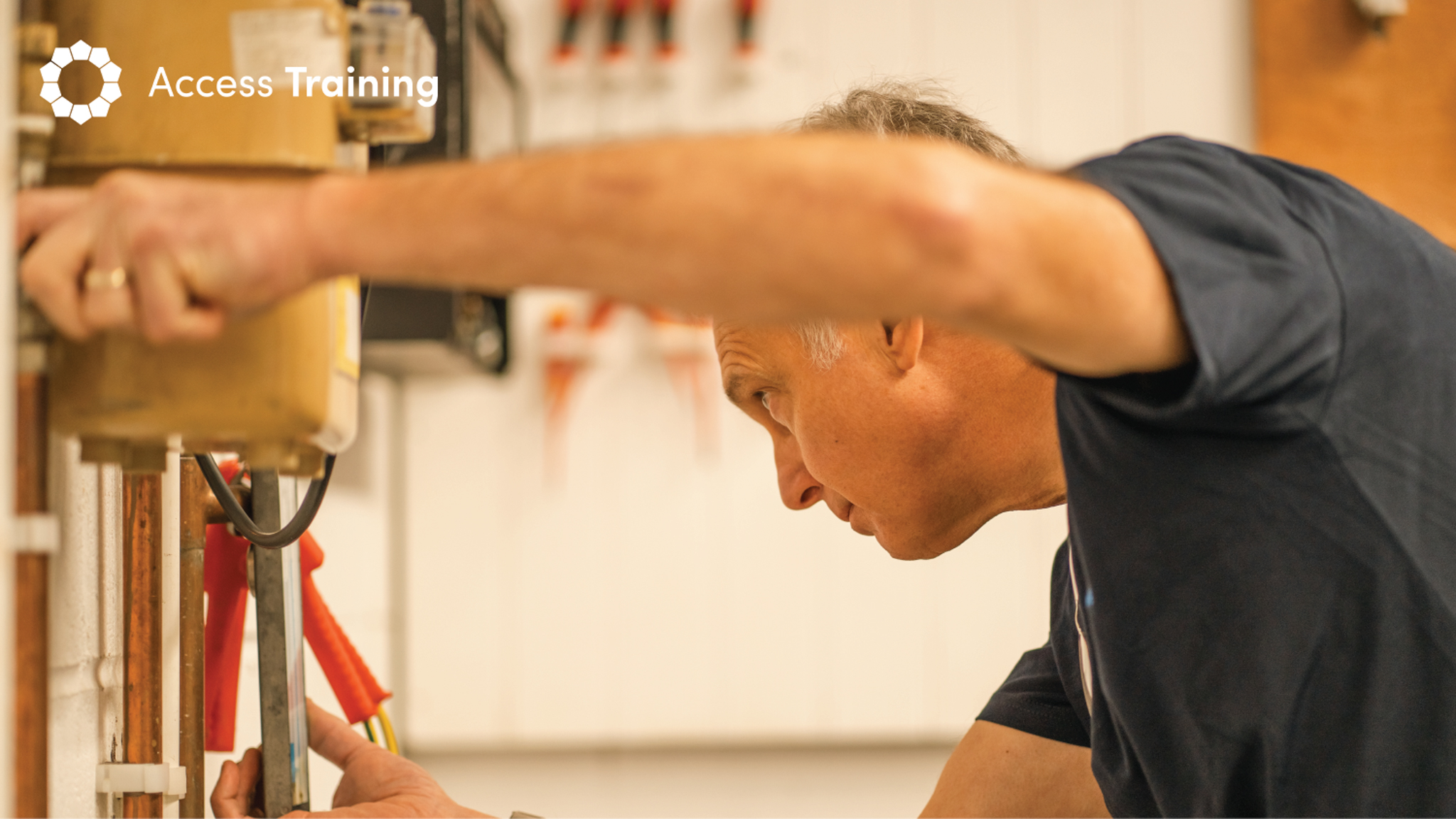
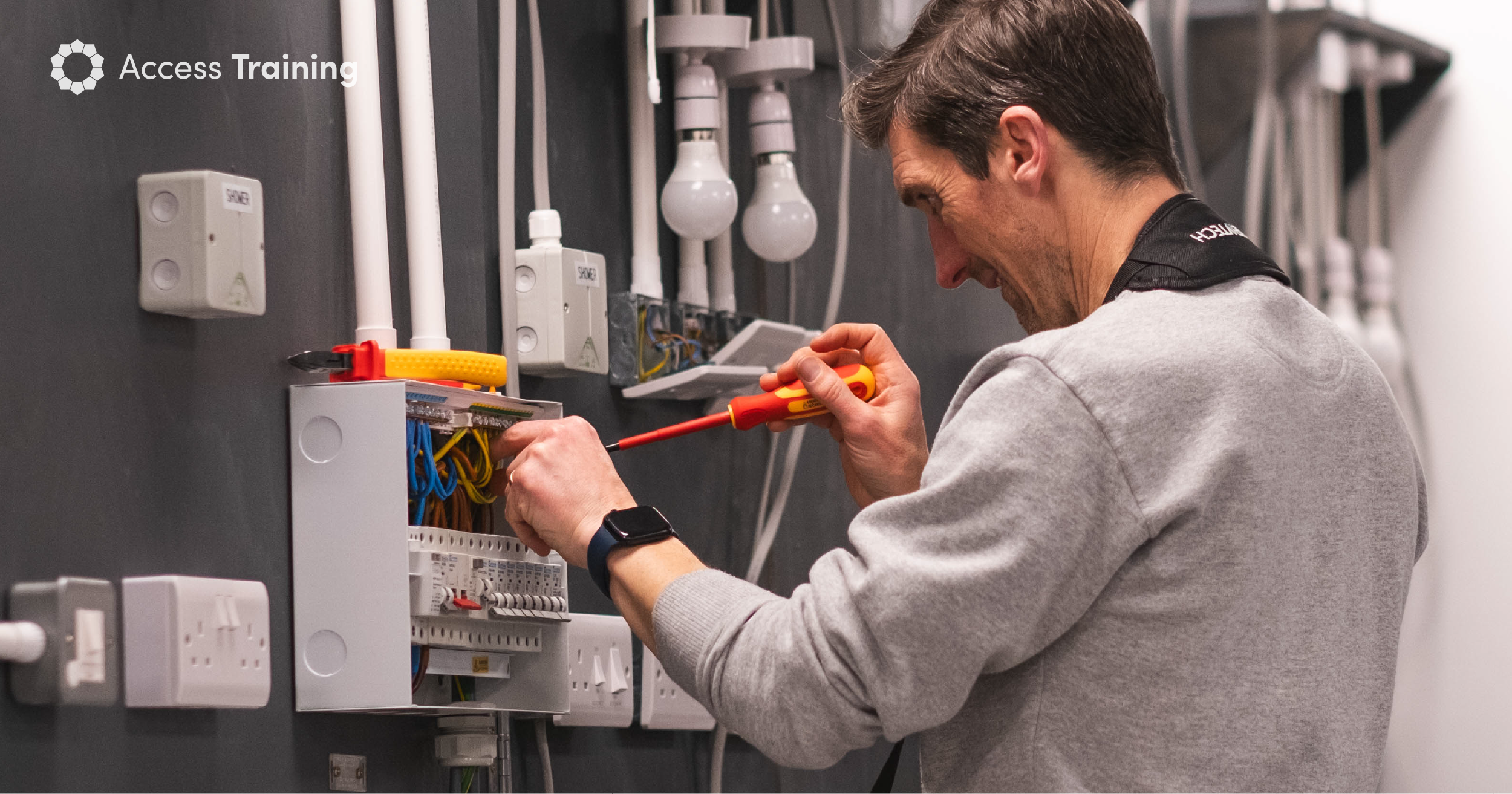
How to Pivot from Office Work to Trade Work

Making a career change at any point in your life can be daunting, especially if you’re considering a switch from office work to trade work. But don’t fret – the transition from office work to the trades is more straightforward than you might think.

So, whether you’re sick of sitting at a desk all day or just craving more hands-on work, keep reading this blog to find out what steps you need to take to pivot from your office job into a skilled trade. Let’s dive in!
 More...

With the rapid advancement of AI reshaping how we live and work, it is no surprise that many people are concerned about job displacement. As robots start taking over jobs and technology makes certain roles obsolete, it has become increasingly important to choose a career path that has a low risk of becoming automated in the future.

So, which careers will remain strong and even thrive in the age of AI? Let’s take a look at some of the most promising fields for this new era!

 More...

I Already Have a Degree - Can I Still Learn a Trade?

If you already have a university degree, you might feel like the career path you’ve chosen is set in stone. But if your degree subject no longer excites you or you’re seeking greater job security and more hands-on work, you may be wondering: Is it too late to learn a trade?

The short answer is: absolutely not. You can definitely learn a trade at any age, even if you already have a degree. In fact, many people with academic backgrounds are turning to the trades to find stable and rewarding careers.


Why More University Graduates Are Turning to the Trades

In recent years, an increasing number of university graduates are stepping into skilled trades like plumbing, electrical work and HVAC – but why?


Less Debt

Most trade courses are shorter and more affordable than 3-year university degrees. Plus, you can earn while you learn without the worry of extra student loan debt! A shorter, more focused trade education also leads to a quicker return on investment compared to the duration of a degree programme. Don’t forget – skilled trades can offer competitive salaries, with experienced plumbers earning upwards of £45,000 per year.


Job Security

Skilled tradespeople are always in high demand, so by learning a trade you should always have access to steady employment. In addition to this, trades like electrical work, plumbing and gas are less susceptible to automation by AI, so currently offer far greater job security than many traditional office-based roles.


Desire for Practical Skills

Many graduates find the practical, hands-on nature of the trades more appealing than a 9-5 desk job. Trade work allows individuals can see the direct impact of their efforts, providing a strong sense of accomplishment and satisfaction. So, if you’re someone who enjoys physical activity and is looking to make a difference in your community, trade work could be perfect for you!


Entrepreneurial Opportunities

Many tradespeople start their own businesses after qualifying, giving them flexibility and entrepreneurial independence. By becoming a self-employed tradesperson, you can choose what types of jobs you take on, adjust your work hours to accommodate your personal commitments and choose how you want to run your business.


Will My Degree Be Wasted?

After you have put time, money and effort into earning a degree, it’s understandable that a full career switch to the trades may seem like a waste. However, your degree may actually be a huge asset for you in the world of trade work!

For example, a business degree will give you a head start when it comes to running your own plumbing or electrical company, and a social sciences, English or psychology degree will make you an excellent communicator with clients and your team.

If you have a background in engineering you could even be uniquely qualified for more technical trades like machining and industrial maintenance!


So, if you’re feeling stuck in your chosen career path and crave something more hands-on and in-demand, learning a trade could be perfect for you.

Your university degree will not be wasted, instead it can give you can edge, providing you with critical thinking skills and a work ethic that is sure to benefit you in a trade environment.


If you’re interested in what trade courses are on offer, check out our course information by clicking the button below:

Browse Trade Courses

If you have any further questions about starting a career in the trades, get in touch with us at Access Training today!

In a world where pursuing higher education and university degrees is the societal norm, there’s another path that deserves just as much attention – learning a trade. From plumbing to electrical work, learning a trade can be extremely rewarding and often leads to highly successful careers. So, is learning a trade worth it? This blog will help you decide!

More...

Electrical Theory Training

Whether you’re looking to train as an electrician or you’re just curious about how electricity works, understanding the basics of electrical theory is the first step. Electrical theory training is crucial as it provides the foundation for understanding and working with electrical systems safely and competently – skills that are essential whether you’re an engineer, electrician or just a DIY enthusiast.

More...

Turning 40 is a big milestone, and with it comes time to reflect on your career, your goals and where your life is heading. If you’re feeling stuck, unmotivated and unfulfilled in your current career, it may be time to consider a change!

Becoming a gas engineer at 40 can feel intimidating, you may be thinking you’re too old or inexperienced to make such a big career change, but we are here to tell you you’re definitely not! With Access Training, retraining as a gas engineer at 40 couldn’t be easier, keep reading this blog to find more!

 More...

would i be a good electrician

If you’re considering changing careers to train as an electrician, you may be feeling anxious about whether or not electrical work is a good fit for you and your skills. This blog will explore what makes a good electrician so that you can decide whether being an electrician is the right career for you. Let’s get started!


1. Do you like working with your hands?

It’s rare to find an electrician sitting behind a desk, instead they are moving, building, fixing and problem-solving with their hands. If you’ve always loved hands-on, practical projects like home DIY or building furniture, becoming an electrician could be a natural fit for you.


2. Do you have good attention to detail?

Many of the tasks carried out by electricians require meticulous attention to detail, particularly jobs that require complex wiring or reading blueprints. One small mistake in electrical work can be extremely dangerous, so having a precise attention to detail is a crucial skill.


3. Do you enjoy problem solving?

A key part of being an electrician involves diagnosing and resolving technical electrical issues efficiently. Electricians need to be able to analyse situations and come up with informed, safe and creative solutions. So, if you’re someone who likes to figure out how things work and won’t give up until you find an answer, a career as an electrician could be perfect for you.  


4. Are you comfortable with basic maths?

Electricians are frequently required to work out calculations relating to power, voltage and resistance, so anyone looking to work in this field will need to have an understanding of basic maths. You don’t need to be a complete maths whiz, but a solid understanding of measurements, basic algebra, and technical diagrams will go a long way!


5. Are you physically capable?

Being an electrician can be physically demanding. You may need to climb ladders, carry heavy equipment, crawl through tight spaces and work in basements and attics. However, if you don’t mind getting dirty and you are comfortable moving around and spending time on your feet, you should have no issues working as an electrician.


6. Are you looking for a job with security?

The demand for skilled tradespeople like electricians is on the rise. So if you’re looking for a stable job that will always be in demand and has great opportunities to grow, becoming an electrician could be your best decision yet.


So, would I be a good electrician?

If you answered yes to most of the questions above then yes, you may have what it takes to be a good electrician!


At Access Training, we offer a selection of electrician courses and apprenticeships that can fast-track your journey to becoming an electrician. Use the buttons below to browse our electrical courses or get in touch with us today!

Electrical Courses         Get in Touch