Featured Article

Gas boilers are an incredibly popular option for home heating. A whopping 78% of UK households use gas to heat their homes, with just the remaining 22% using alternatives like electricity and oil.

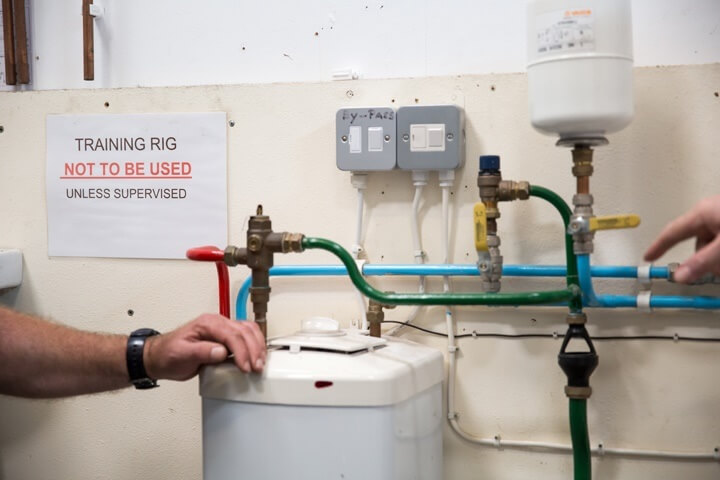
However, with modern science making us more and more aware of the adverse effects that gas can have on the environment, money is being poured into finding a plausible alternative.

Enter heat pumps.

More...

READ ARTICLE

Gas boilers are an incredibly popular option for home heating. A whopping 78% of UK households use gas to heat their homes, with just the remaining 22% using alternatives like electricity and oil.

However, with modern science making us more and more aware of the adverse effects that gas can have on the environment, money is being poured into finding a plausible alternative.

Enter heat pumps.

More...

How to become an electrician

How to become an electrician

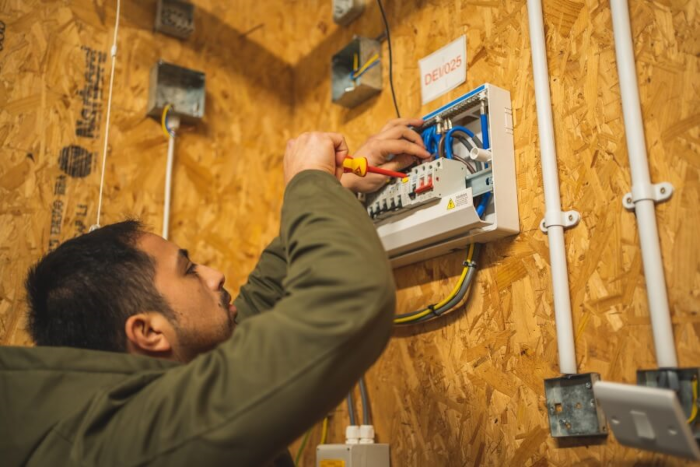
To become a qualified electrician in the UK, you will need to complete either a Level 3 Technical & Vocational Qualification or an Electrical NVQ Level 3 Diploma. Depending on your career aspirations, you may also need to work towards a number of other industry-recognised electrical qualifications, such as the ECS Gold Card. A university degree is not required to be an electrician.

More...

plumber fixing sink

There are a lot of reasons you might call a plumber to your house; maybe you’re planning a large scale bathroom renovation, have a leaky tap that needs fixing, or are looking for an emergency fix to a DIY mishap that has left your bathroom flooded. Either way, you’ll be picking up your phone and searching for “good plumbers near me”.

While there are lots of different scenarios that might require you to call a plumber, have you ever wondered when might be the best time to call? When are plumbers the busiest? Whilst plumbing might not be a profession you’d typically associate with seasonality, research has shown that there actually is a busiest time of year for plumbers.

More...

Gas engineer in training

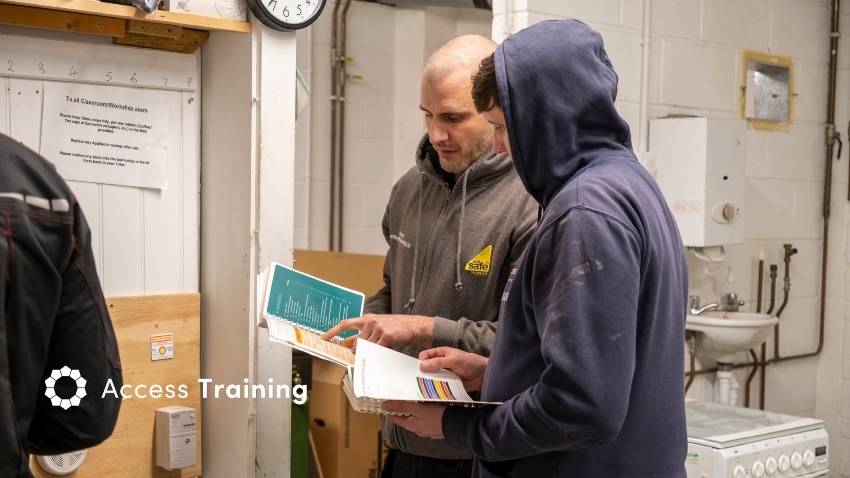
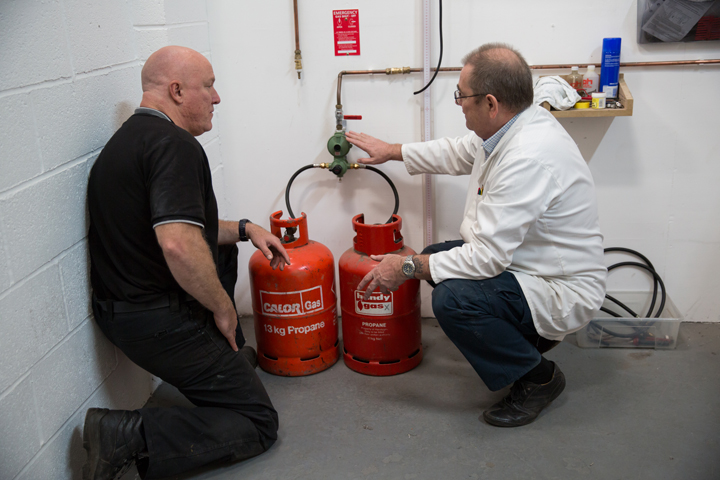
Gas-fuelled appliances can be very dangerous if they're not installed correctly. Because of this, gas appliances should ONLY be installed and serviced by competent, qualified gas engineers.

Here in the UK, gas fitters are legally required to join the Gas Safe Register before carrying out any gas work. The Gas Safe Register website makes it easy to...

  • Check whether your gas engineer is registered
  • Report illegal gas work

Gas Safe Register replaced CORGI in 2009, and since then, it has been the sole official gas registration body for the United Kingdom (as well as the Isle of Man, Jersey and Guernsey).

More...

Apprentice electrician

An electrical apprenticeship is kind of like a cross between a university course and a full-time job. Electrical apprentices carry out real-life electrical work (under the supervision of an experienced electrician, of course) and get paid for it; but they also spend part of their time in the classroom, studying their new trade and the theory that underpins it. 

Electrical apprentices typically spend at least 20% of their working hours studying.

Some see the traditional apprenticeship route as a rite of passage for budding tradespeople. But an electrical apprenticeship is rarely the most efficient way to get qualified and start your career.

More...

Trade vs university

We are approaching a time where the lives of thousands of young people are at a crossroads. Significant life decisions are due to be made: whether to go to university and study for a degree, or go down the vocational training route and learn a trade.

Both routes come with their respective stereotypes, but really, they are not so different from each other; you can achieve great levels of success on either path. Still, if you're not 100% sure about going to university, it's a good idea to weigh up the alternatives before you make a decision.


Alternatives to University

1) Apprenticeships & Traineeships

If you'd prefer not to pay the thousands of pounds for tuition fees at university, but still need to acquire valuable skills and qualifications, then an apprenticeship or traineeship might be the best route for you. Apprenticeships give you the opportunity to experience the world of employment whilst earning a decent wage; you'll also gain a qualification on completion.

In essence, it's like paid work experience in your chosen field, and one which will greatly increase your employability. Combining valuable work experience and training will give you the necessary skills to start your chosen career path. Today, apprenticeships and traineeships are not restricted to the traditional trade routes alone - they include a vast range of careers, from engineering to accountancy, publishing to veterinary science.

2) Gap Year

If you're still undecided about which direction you want to take when you finish school, there is no need to despair. Gap years are an increasingly popular choice for people in this situation. Taking a year out affords you with valuable time to consider all your available options, give yourself a break from education, and perhaps get some life experience working or travelling.

It might also be an opportunity to gain new qualifications in your free time and enhance your personal statement or CV to improve your employability.

3) Get a Job

Not everybody is destined for an academic route. And it's perfectly acceptable to hop off the education train after your GCSEs or A Levels and head straight into the working world. If you aren't interested in an academic future, but would much rather get your hands stuck in, the last thing that'll appeal to you after finally leaving school is... well, more school. A good option for you could be to cash in on the qualifications you've earnt at your time in school and begin your working life early. If you have the right attitude and are hard working, you could find yourself moving from rung to rung on the career ladder in no time.

4) A Career in the Trade Industry

Tradespeople such as plumbers, electricians and gas engineers are thriving off the skills shortage that's currently plaguing the industry. As a result, the trade industry is set to boom. In addition to this, with a rapidly rising UK population and huge housing and road developments proposed for the future, tradespeople are virtually guaranteed a healthy, stable and rewarding career.

With a huge workforce needed to make these developments happen, as well as the maintenance and installation of appliances for years to come, a career as a tradesperson could be the perfect for you.


Trades vs University

Outdated stereotypes and preconceived notions have caused the trade industry to be disregarded as a plausible alternative to university. Below, we observe the results of a recent study commissioned by Selco, which surveyed 500 manual skilled workers to see how they are faring in the trade industry. Here we consider the real benefits of all career options.


Trades vs University: Financial Security

The most startling figures uncovered by Selco determine that tradespeople are, on average, far more financially stable than students after their education is complete. While the average student debt is around £45,000, the typical tradesperson's debt is at only £5,600.

This can be explained by the fact that tradespeople are able to earn a salary much earlier on in their careers; vocational training courses also tend to be shorter and more inexpensive than university courses. Students will typically have to wait beyond their graduation until they can find employment, and are then playing catch-up to pay back their fees.

Having fewer debts allows for greater financial flexibility and even opportunities for investment. 70% of tradespeople asked have savings, and over a third said they invested their earnings in ventures such as property, stocks and shares, or crypto currency, allowing them to grow their wealth and remain financially stable. Such opportunities seldom lend themselves to students who have to scrimp and save throughout their degrees.

Not only are tradespeople earning earlier in their lives, but they are typically earning more, sooner. A living wage can be expected to be earnt by age 22 as a tradesperson, and while this is also a possible achievement for a university graduate, it can take as long as age 29 before they can earn the same.


Trades vs University: Lifestyle

73% of tradespeople asked in the survey said that they were happy with their jobs, which is considerably higher than the average figure of UK job satisfaction, between 41-65%.

But why is this figure significantly higher than the rest of UK workers? The primary reason is undoubtedly about a sense of pride. 72% of the tradespeople in the survey said that pride was the single most fulfilling element of their job happiness. 67% answered that the satisfaction of hard work was the reason, 54% gave a sense of responsibility, 49% suggested that it was the confidence generated by trade work, 37% noted the work's required dedication, while 34% put it down to the demand for focus.

It goes without saying that work in the trade industry requires all of these characteristics, as of course do other academic vocations. However, it's far easier to enjoy and to feel pride in your work while you're earning and feel yourself progressing, rather than slipping into an ever steeper pit of debt.


Trades vs University: Home Ownership

Statistically, you are more likely to be a homeowner at a younger age as a tradesperson than as a student – three years younger, to be exact – and are typically leaving home one year sooner than your student equivalents.

Tradespeople are generally homeowners by the time they are 27, whereas the rest of the UK are on average aged 30 before they are given the keys to their own place. Not only this, but 44% of tradespeople are likely to have owned multiple properties than average workers, and 1 in 6 tradespeople will have statistically owned more than one property at the same time.


Trades vs University: Settling Down

The decisions you take after leaving school can impact things further down the line, and according to the results of this survey, these can be as significant as how soon you get married and have children.

Along with home ownership, tradespeople are typically married and settled, and will even have had their first child, at an earlier age than their student counterparts. The average male tradesperson's marriage happens on average five years earlier than other men, and for women this is three years earlier.

Tradespeople will statistically have had their first child by the age of 26 – this is two years before the female average (28), and a whopping seven years before the male average (33).


Trades vs University: Success

Success in life is ultimately subjective, and can be measured in a number of ways. By no means is it true that the life of a tradesperson is necessarily any more successful than that of a university student, and it goes without saying that, you can make the most of any decision you make.

It's worth emphasising that the trade industry can be an option for a highly successful career, perhaps more so than is typically expected. 1 in 4 tradespeople have gone on to start their own businesses, and have taken their futures into their own hands. It's a career which offers promise, growth, self-discovery, and autonomy.

Unfortunately, a debt-free life is no longer a guarantee for anyone, but university graduates are particularly vulnerable in today's job market. Job security is increasingly hard to find in the wider world, but the trade industry is providing this secure option for thousands of people.

The trade industry could be the safety net – and even saving grace – for you and your future. Access Training is one of the UK's biggest training companies, and can provide you with the skills and direction you need to invest in your future and establish your career.


Become a Fully-Qualified Tradesperson with Access Training

If a career in the trade appeals to you more than going university, take a look at the courses available at Access Training today.

Learn your trade. Get qualified. Make it happen.

SEE ALSO: What to Do If You Mess Up Your A Levels

am i too old to learn a trade

One question we get asked a lot here at Access Training is - am I too old to learn a trade? The short answer is no! Our courses are available to people of all ages and abilities and can work around your pre-existing responsibilities. Whether you're finishing school and looking to become an electrician through a full-time course, or 40 and hoping to become a plumber through one of our part-time courses, we can accommodate you.

More...


There is a longstanding argument about the benefits or negatives of being self-employed over direct employment. This extends beyond the construction industry, into all facets of the world of work. There has been a significant rise in those registered as self-employed; between 2001 and 2017, self-employment in the UK rose from 3.3 million to 4.8 million. But there is no right or wrong answer – whether you become self-employed or not, depends on your personal preference, your professional situation, and what you want out of a career. 

Nevertheless, it is important to have the facts and figures when you’re preparing to get out into the world of work. The nature of your working status will change your lifestyle, your expectations and responsibilities; it will impact the taxes you pay, your paid leave, and the opportunities you have for professional development. Below we have listed some of the pros and cons of being either self-employed or employed, so that you can move forward with a clearer vision of your professional route.


Pros of Self-Employment

Being your own boss

The headline for those self-employed workers is that it gives you autonomy over your working life. Everything from the hours you work, how much you earn, and the kind of work you do, can be regulated by yourself. Naturally, this kind of freedom comes with its own responsibilities and challenges. But if you’re looking for flexibility above all else, without having to operate within the confines of a larger company, then this model might be for you.


You reap your own rewards

Everybody wants to see the benefits of their own hard work, and being self-employed means exactly this. Running your own business in the construction industry can be incredibly financially rewarding; you take out what you put in. Working hard for other people may not be as satisfying and personally motivating as earning money for yourself, and seeing your business skills go from strength to strength. Working for an employer might not offer the same potential for the same growth, though it does undoubtedly have its own benefits.


Professional flexibility

Nobody understands your own strengths and limitations better than you do yourself, which is why as a self-employed worker you don’t have to be restricted in your working opportunities – and that means a bigger financial reward for yourself. 

An employer might underestimate you, and even limit you to one job at a time, when you know that you could be stretching yourself. When self-employed, you can challenge yourself to achieve tasks to the best of your abilities, and have full control over your ongoing projects. You negotiate the contract you have with each individual customer, and base your progress on this – full autonomy, and maximum opportunity.


Personal development

Becoming self-employed is an undeniable challenge. But some of the things which make self-employment seem less appealing, like the added responsibilities, might ultimately themselves be positives. The skills you learn as an individual could be ones you’d never learn in any other capacity; things like self-motivation, self-discipline, planning, resourcefulness, and thinking on your toes. You need to generate and pursue your own opportunities – but this doesn’t need to sound daunting or high-pressured. For certain people with the capacity to do well, this could be the perfect lifestyle. 


Pros of Employment


Financial security

Despite the obvious freedoms of being self-employed, there are some inevitable downsides. The obvious benefits of working for a wider company is financial stability, and the legal perks that go with being a regular employee. You are paid a regular wage, given consistent work, and awarded a job security which is far more difficult to achieve as a self-employed worker. In addition to this, taxation is also covered by being employed. That is, you pay it automatically through PAYE, meaning you can enjoy your earnings while those who are self-employed have to stay on top of how much they owe to the taxman. 


Regular work

Working for an employer means that much of the responsibility for finding work rests with those above. You enjoy the reputation or influence of a larger marketed entity, meaning that your opportunities won’t fizzle out (as long as the company itself is still trading of course). You can without having to worry about marketing yourself, broadening your customer base, or networking. The big company does that work for you.For those who are self-employed, finding work is itself a huge part of the challenge; working for an employer, however, you can simply turn up, do the job, and leave your work at the doorstep. 


You get to enjoy employment rights

Employment rights are legal perks which come as a result of being employed, as opposed to being self-employed. That is, the right to earn a national living wage, statutory paid leave, a minimum level of paid holiday and rest breaks, and sick pay. Not only does it offer you rights which help you financially, but also legally: you have a certain amount of protection in the workplace against things like unlawful discrimination, or protection against whistleblowing. 

As a self-employed person, you would of course be entitled to health and safety and discrimination rights; but other rights are set out by terms of the contract you have with your individual clients, so it can be a lot to think about.


But regardless of the route you choose through the construction industry, it will still be a fulfilling and rewarding one. The forthcoming years are going to be successful years for tradespeople, and will see demand rising, opportunities increasing, and work plentiful. Whatever your career ambitions – whether you want to impress potential employers or be your own boss – Access Training can help to make them a reality. 


Learn your trade. Get qualified. Make it happen. 

An Electrician

Are you thinking about becoming an electrician and wondering what a typical working day would look like? In this blog post, we look at the day-to-day life of an electrician and what jobs they tend to do!

  1. What is an Electrician?
  2. What Jobs Do Electricians Do?
  3. What Hours Do Electricians Work?
  4. Find Out More


But first: what exactly is an electrician? 

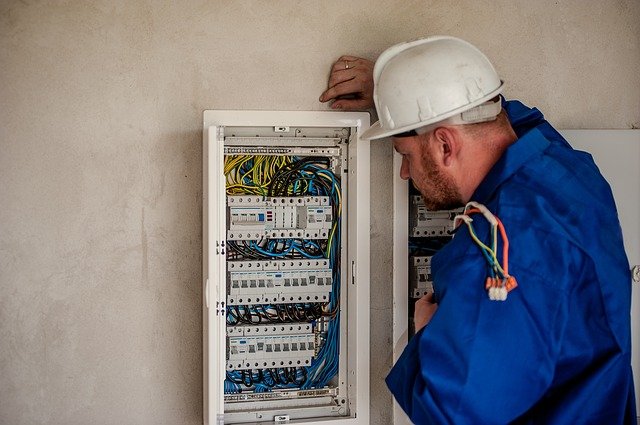
An electrician is a qualified professional who specialises in a variety of electrical work, such as planning and installing wiring systems, testing and maintaining electrical equipment, and running power supplies to public events.

If you decide to become an electrician, you will have to choose between entering the field as a generalised electrician or working in a specialist niche. This choice will determine what the day-to-day functions of the job are; not all electricians tackle exactly the same tasks.

However, in most areas of this field, the general daily tasks remain the same. 


What jobs do electricians do?

Throughout the majority of the working week, general electricians will have to conduct a set of common tasks required by businesses and homeowners. These often involve...

  • Planning, writing and understanding diagrams and floor plans

  • Repairing damaged wiring and equipment using a range of power and hand tools

  • Diagnosing wiring issues, failing components, poor connections and overloaded circuits using specialised tools such as thermal imaging

  • Testing electrical systems and circuits using devices such as oscilloscopes and voltmeters

  • Assessing electrical systems, components and equipment to spot any potential hazards and defects

  • Planning and installing electrical wiring and fixtures based on job specs and local codes

READ MORE: What Qualifications Do I Need to Be an Electrician?


Working hours of an electrician 

The majority of electricians work a standard eight-hour shift, five days a week and sometimes even on weekends. However, as an electrician, you should be prepared to work during off-hours too, dealing with the wiring and voltage issues that can occur at any hour of the day. This is common throughout the electrical industry, with many general electricians available for on-call emergency service. 

The work you are assigned will very much depend on the terms of your employment. Whether you're an independent contractor or working for an established company, you will either set your own schedule of work or be assigned jobs to complete across a variety of different sites. 

One thing's for sure, though: all electricians should be prepared to work for longer than planned. Once you begin working, you can quickly discover that the one job you were assigned to do is just a small part of a much bigger problem that will take more time to fix.


More on the jobs electricians do

As you can see from the information above, working as a successful electrician requires a wide range of specialised skills, as well as good reading comprehension and analysing in order to determine the best route to success for each individual job.

Because of the danger and complexity of electrical work, it is essential that you study and learn from qualified and experienced professionals. 

Our Electrical Training Courses >


Additional Resources:


Get in touch to learn more about our training courses!

First Name *
Surname *
Telephone Number *
E-mail address *
Ask A Question *
 
Security Character Security Character Security Character Security Character Security Character Security Character
Enter Letters (No Spaces) *