Featured Article


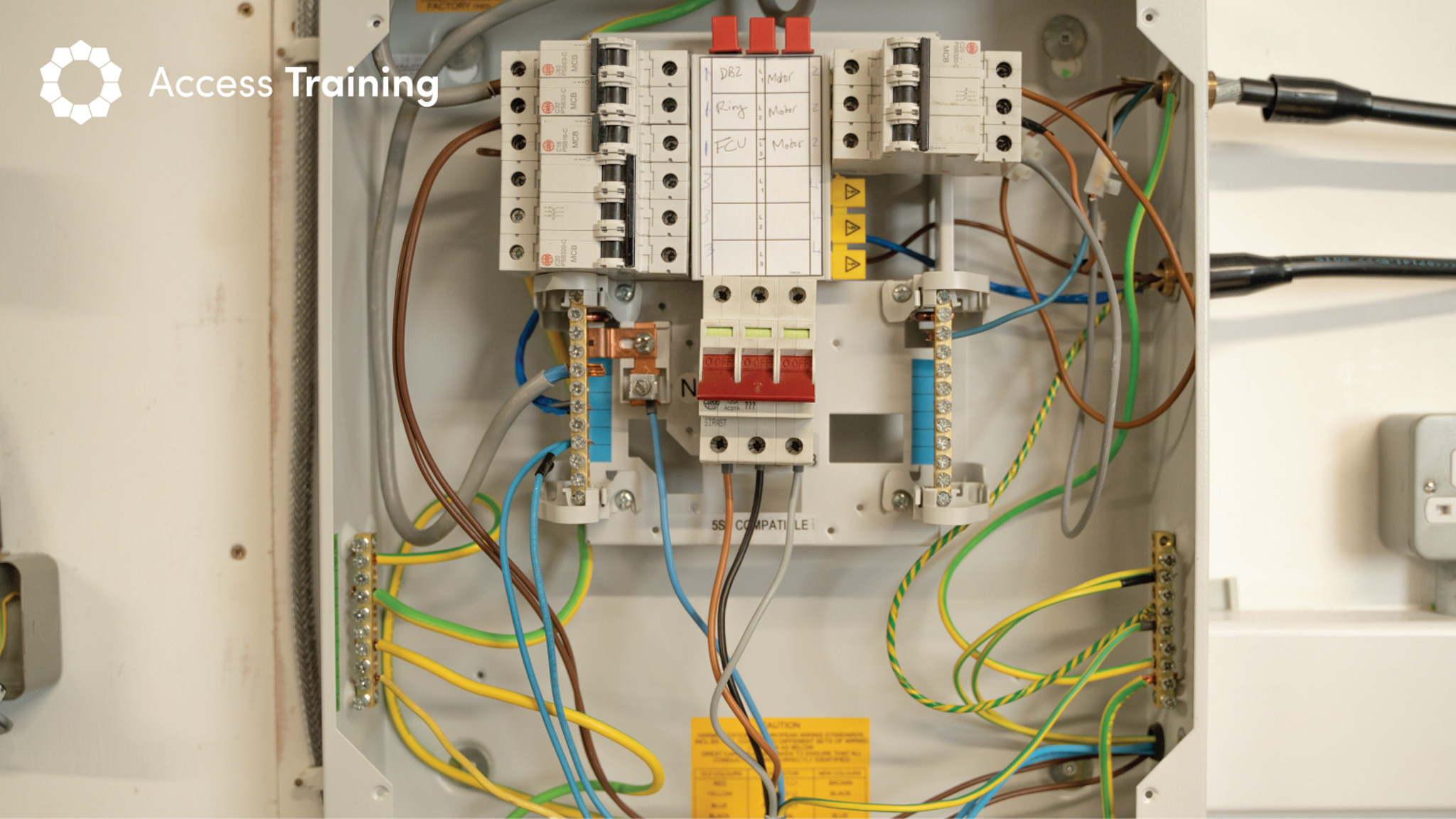
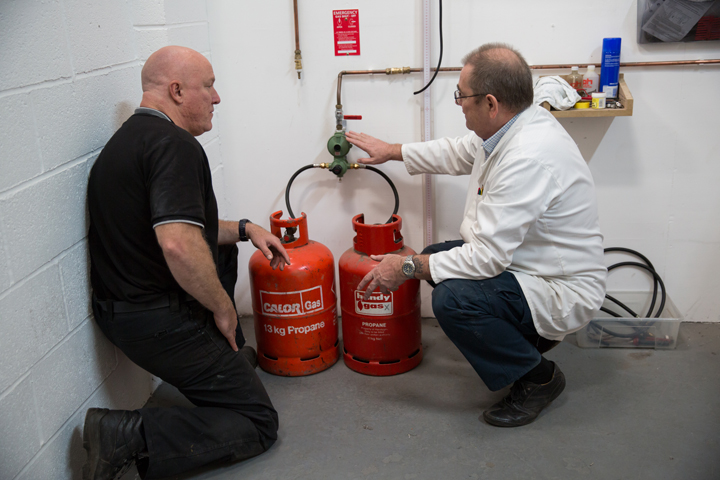
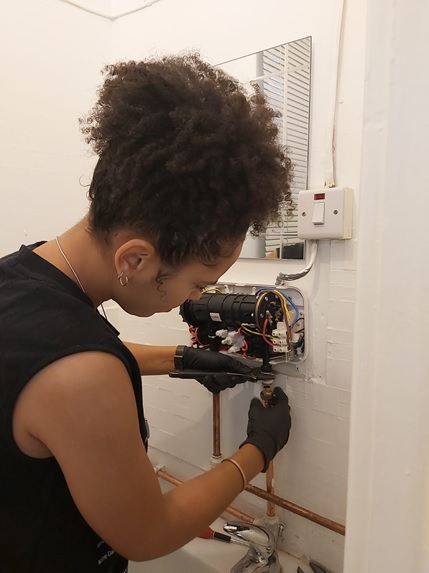
If you're interested in becoming an electrician, you may be wondering: do electricians have to be registered? In short, no. There is no legal obligation for electricians to be registered but it is strongly recommended. This is for your own safety, and to ensure the quality of the electrical work done on your property. 

 More...

READ ARTICLE

Adult Electrician Courses


Here at Access Training, we are huge believers in the importance of learning - at any age! Our students enrol onto our electrical courses for adult learners for many reasons. This could be for a complete change of career, to learn a new trade, or to top up on existing trade skills. No matter what your goal is, we have a range of electrician courses for adult learners to help you get there. 

Access Training is a trusted UK course provider, and we have electrical training centres dotted all over the country! Gain your electrical qualification with us, and benefit from our industry expertise and ongoing career support.

Start Today! - Our Electrical Courses


Am I too old to retrain as an electrician? 

You're never too old to learn a new trade or retrain as an electrician. There is no time limit on learning - that's why we do what we do! Our comprehensive electrician courses for adult learners are open to all ages and backgrounds. You don't need any experience either - our skilled trainers have that all in hand and are more than happy to spend 1-to-1 time with students.

We'll help you to learn the electrical trade, get qualified and start your new career as an electrician - and every goal in between!

The autonomy that comes from learning a trade can be relieving. Gaining electrical qualifications not only opens up career opportunities with established companies, but it also creates a clear route to self-employment. Being your own boss is always an option with Access Training. 

By 2023, the UK will need between 7,500-10,000 electricians. No matter your age, you could be one of them by enrolling onto our electrician courses for adult learners.


How long does it take to become a qualified electrician? 

Electrician apprenticeships generally take three years to complete. After completion, it is up to the student whether they decide to continue onto higher education courses or other electrical training.

At Access Training, we're a bit different - we speed the process up without sacrificing quality education.

Students at Access Training can achieve the very highest level in the electrical trade and earn industry-recognised qualifications in a matter of weeks. These include highly-recognised PAT Testing courses and 18th Edition qualifications!


What makes Access Training better than other electrical training centres? 

We understand that adult learning can seem daunting at first. That's why we provide fast-track training from trusted UK training course providers. We never put our students through more than they need to - with us, there's no need to spend three years doing an apprenticeship. We'll get you exactly where you need to be.

Our flexible electrician courses for adult learners enable you to learn your trade and start work, or self-employment, within a far shorter timeframe than traditional routes.

Not only that, but our unique course packages include unlimited online learning, intensive practical training, and ongoing career support for up to 3 years after enrolment. 


Are you ready to take the next step?

For more information on our electrician courses for adult learners, click the buttons below and kickstart your new career today. 

Our Electrical Training Courses      Get In Touch

Learn your trade. Get qualified. Make it happen. 


Read More:


If you're interested in becoming an electrician, you may be wondering: do electricians have to be registered? In short, no. There is no legal obligation for electricians to be registered but it is strongly recommended. This is for your own safety, and to ensure the quality of the electrical work done on your property. 

 More...

Gas Safety Week 2022 starts today and runs until the 18th September 2022. Celebrating its twelfth year, this integral event aims to see industries come together for the same common goal: keeping the nation gas safe. During the Gas Safety Week campaign, thousands of businesses pledge to educate and raise awareness surrounding gas safety, helping to protect their customers and save lives. 

More...

new career training


If you’ve decided you want to train for a new career, here are five things you should consider which could help you along the way – and make the leap seem less daunting!

How long will it take? 

Time is a key element in any decision to train for a new career. Consider whether the new career requires any additional training, for example, or whether there is a probation or training period in your new role. If new qualifications are required, the length of time it takes to qualify might vary depending on the level of the qualification. Understanding the new career and the training courses you'll need to complete to get there is paramount!

At Access Training, becoming a qualified tradesperson can take a matter of months, rather than potentially years of apprenticeship work – meaning you can get on the tools, start earning a wage, and progress down your new career path in no time at all.

How much can you expect to earn?

Obviously, earnings will vary considerably while you're training for a new career, depending on what kind of work you pursue. However, it is a good idea to consider doing some research yourself, to ensure that you know the extent of your financial situation, and how secure you will be in your new role.  Perhaps some savings will be required to undertake new qualifications, or a temporary job will be necessary in order to fund your training. Make sure that you are financially secure enough to do the training you need to start your new career. Sufficient planning and financial awareness can make the transition into a new career seamless and secure!

Careers in construction can be very lucrative, especially if you decide to become your own boss. In an era where tradespeople are in increasing demand, work opportunities are well-paid and plentiful. It’s always a good idea to know where you’ll stand financially in your new role and to prepare accordingly.

Do you want to be your own boss?

Your new role might allow you the opportunity to become your own boss. This is a new and exciting prospect, and one which millions of people across the UK are pursuing – in 2019, the number of self-employed workers was at its highest for twenty years.  

Perhaps one of the reasons you became tired of your old career and fancied a change was to give yourself more flexibility and autonomy in your professional life. A career like construction is perfectly suited to achieving this kind of freedom. With the right qualifications, experience and drive, you can start building your brand and customer base with just a few first steps – and a significant part of our course at Access Training is designed to help you commence your new career, whether you want to be your own boss or not!

How will the change impact your lifestyle?

A new career can affect your life in a number of different ways – your workplace might require you to travel, or take a new route to work, or even to work from home. It might involve a dramatic change in working environment – to go from a stagnant office, for example, to a busy worksite, might require certain preparations and adjustments which it would do no harm to be aware of.

Have a Plan B!

Retraining in a new career is no mean feat, especially if you’re departing from a path that you’ve been heading down for a long time. However, that doesn’t mean you shouldn’t go for it – people change careers all the time, and it can be an incredibly rewarding, exciting, even life-changing experience. 

Once you’ve made the decision, and are convinced that it’s the right choice for you, then make sure you have enough financial and emotional backing to make the experience as smooth as possible. And if things don’t quite work out the way you planned, make sure you establish some kind of safety net, to give yourself peace of mind. 

But most of all – go for it! Throw yourself into your new journey and embrace the changes which come your way. The world is your oyster!

am i too old to learn a trade

One question we get asked a lot here at Access Training is - am I too old to learn a trade? The short answer is no! Our courses are available to people of all ages and abilities and can work around your pre-existing responsibilities. Whether you're finishing school and looking to become an electrician through a full-time course, or 40 and hoping to become a plumber through one of our part-time courses, we can accommodate you.

More...


There is a longstanding argument about the benefits or negatives of being self-employed over direct employment. This extends beyond the construction industry, into all facets of the world of work. There has been a significant rise in those registered as self-employed; between 2001 and 2017, self-employment in the UK rose from 3.3 million to 4.8 million. But there is no right or wrong answer – whether you become self-employed or not, depends on your personal preference, your professional situation, and what you want out of a career. 

Nevertheless, it is important to have the facts and figures when you’re preparing to get out into the world of work. The nature of your working status will change your lifestyle, your expectations and responsibilities; it will impact the taxes you pay, your paid leave, and the opportunities you have for professional development. Below we have listed some of the pros and cons of being either self-employed or employed, so that you can move forward with a clearer vision of your professional route.


Pros of Self-Employment

Being your own boss

The headline for those self-employed workers is that it gives you autonomy over your working life. Everything from the hours you work, how much you earn, and the kind of work you do, can be regulated by yourself. Naturally, this kind of freedom comes with its own responsibilities and challenges. But if you’re looking for flexibility above all else, without having to operate within the confines of a larger company, then this model might be for you.


You reap your own rewards

Everybody wants to see the benefits of their own hard work, and being self-employed means exactly this. Running your own business in the construction industry can be incredibly financially rewarding; you take out what you put in. Working hard for other people may not be as satisfying and personally motivating as earning money for yourself, and seeing your business skills go from strength to strength. Working for an employer might not offer the same potential for the same growth, though it does undoubtedly have its own benefits.


Professional flexibility

Nobody understands your own strengths and limitations better than you do yourself, which is why as a self-employed worker you don’t have to be restricted in your working opportunities – and that means a bigger financial reward for yourself. 

An employer might underestimate you, and even limit you to one job at a time, when you know that you could be stretching yourself. When self-employed, you can challenge yourself to achieve tasks to the best of your abilities, and have full control over your ongoing projects. You negotiate the contract you have with each individual customer, and base your progress on this – full autonomy, and maximum opportunity.


Personal development

Becoming self-employed is an undeniable challenge. But some of the things which make self-employment seem less appealing, like the added responsibilities, might ultimately themselves be positives. The skills you learn as an individual could be ones you’d never learn in any other capacity; things like self-motivation, self-discipline, planning, resourcefulness, and thinking on your toes. You need to generate and pursue your own opportunities – but this doesn’t need to sound daunting or high-pressured. For certain people with the capacity to do well, this could be the perfect lifestyle. 


Pros of Employment


Financial security

Despite the obvious freedoms of being self-employed, there are some inevitable downsides. The obvious benefits of working for a wider company is financial stability, and the legal perks that go with being a regular employee. You are paid a regular wage, given consistent work, and awarded a job security which is far more difficult to achieve as a self-employed worker. In addition to this, taxation is also covered by being employed. That is, you pay it automatically through PAYE, meaning you can enjoy your earnings while those who are self-employed have to stay on top of how much they owe to the taxman. 


Regular work

Working for an employer means that much of the responsibility for finding work rests with those above. You enjoy the reputation or influence of a larger marketed entity, meaning that your opportunities won’t fizzle out (as long as the company itself is still trading of course). You can without having to worry about marketing yourself, broadening your customer base, or networking. The big company does that work for you.For those who are self-employed, finding work is itself a huge part of the challenge; working for an employer, however, you can simply turn up, do the job, and leave your work at the doorstep. 


You get to enjoy employment rights

Employment rights are legal perks which come as a result of being employed, as opposed to being self-employed. That is, the right to earn a national living wage, statutory paid leave, a minimum level of paid holiday and rest breaks, and sick pay. Not only does it offer you rights which help you financially, but also legally: you have a certain amount of protection in the workplace against things like unlawful discrimination, or protection against whistleblowing. 

As a self-employed person, you would of course be entitled to health and safety and discrimination rights; but other rights are set out by terms of the contract you have with your individual clients, so it can be a lot to think about.


But regardless of the route you choose through the construction industry, it will still be a fulfilling and rewarding one. The forthcoming years are going to be successful years for tradespeople, and will see demand rising, opportunities increasing, and work plentiful. Whatever your career ambitions – whether you want to impress potential employers or be your own boss – Access Training can help to make them a reality. 


Learn your trade. Get qualified. Make it happen. 

Leah training for her new career as a plumber

"When I started, I had nothing. I put down my last £200 as a deposit, and I made that decision. You can never go wrong investing in yourself."

- Former plumbing student Leah Carney

Starting a new career - retraining and setting up your own business for the first time - is undoubtedly difficult. Not knowing the future can be stressful: will it work out? Am I making the right choice? Is now the right time to be doing this? Many unanswered questions, no firm solutions.

And as much as we might try to convince you that, yes, now is the right time, you might be more inclined to listen to those who have gone through the training process as students. To those who have come out the other side with a sparkling career ahead of them.

Leah Carney is a designer and former delivery driver who enrolled on one of our plumbing courses during the COVID-19 pandemic and never looked back. Our tutor Jamie caught up with Leah to find out how her new career was going.


Q: Hi Leah! Thanks for taking the time to speak today, I know you must be busy. How did your decision to retrain first come about?

Well, I was doing some delivery driving just to earn a bit of money, and to get myself through the COVID situation. But before that, I was doing design work - that's what my degree is in. And then I just decided to retrain; in the past, people have told me that I'd be really good at plumbing or gas, just because I'm good with my hands, I'm logical, a good problem solver, that sort of thing.


Q: And why Access Training in particular?

I just started googling and doing my research, and came across Access Training that way. I did ring a few places actually, but when I spoke to the team at Access Training, we just kind of got on. I then got invited to come and have a look at the centre and see the training in action, before actually putting any money down.


Q: What were your first impressions when you came?

Everything looked really good, everyone was working, and I was really impressed with the plumbing workshop that you've got there. And yeah, that's what made my decision. I signed up that day, there and then, and I think I started about a month and a half later.


Q: And the enrolment process was smooth?

Yeah it was, absolutely. Can't fault it.


Q: So obviously now you've moved on, and you're getting on with the online learning as well, so you're now able to redo the theory as many times as you want. How are you getting on with that? What sort of flexibility does that give you?

Do you know what? I think the online training is like a godsend. You're in a more relaxed environment, you're at home nine times out of ten, so you've got the time to sit down and fully concentrate. You can take breaks when you need to, you can go over and recap. I like to watch things; seeing things in action helps me to remember them, so if I'm reading something and I don't quite understand or I'm not quite getting it, I like to find a video of someone explaining it, and then I'll understand. So there's that benefit of it as well, because you can stop and start whenever you want.


Q: So it hasn't negatively impacted you, doing most of your training online?

No, not at all. You can do mock exams and different papers, and continue to do them until you get it right. Whereas when you're in a class, you only learn it once and then you leave. So again, I really like home-based learning; you still have to put the time in, but it definitely sticks in your mind more. I've enjoyed it.


Q: Do you think that helps you, when you come in for your practical training, the fact that your theory base is so much better?

Yes, because I reckon if you were to start with practical - or to sit your practical before your theory - you might get lost, trying to learn everything at once. So I think it's done the right way around. Then, when someone starts to explain more in depth, or uses a word you remember, you're able to ask questions there and then. So it definitely has a benefit.


Q: How has the COVID-19 pandemic impacted your training so far? I know you've already done additional training courses to add more strings to your bow. How have you found starting out in the industry, despite everything that's going on?

Fortunately for me, I have got a degree and other skills that I can always use - skills that actually do come in handy with my plumbing, because it is still based around homes and construction. But because I have been upskilling in areas I know will benefit me in the future, it looks good on the CV as well. And I may now be ahead of other people who've been doing it for ten years, because I've actually put my head down and said 'right, I need XYZ kind of trades behind me'. I'm doing my plumbing, and my Level 2 electrics, so that's really come in handy. Now I can apply for jobs that are based more around the Part P side, so I can get a bit more money from that, and I get a bit more hands-on in a different sense.


Q: With your new plumbing career, how are you finding it out there at the moment? There's obviously a lot of work around at the moment. Is that the case for you?

Definitely. There's a lot of work. Applying for a job isn't always straightforward, but the plumbing training definitely looks good on my CV. I have found that being a woman also gives me an edge, because I know there aren't many females in plumbing companies. I've found that with all my certificates and qualifications so far, employers are definitely interested. And it's given me the confidence to go out and do my own jobs privately as well.


Q: As I understand it, you're currently starting up a business on your own and having the best of both worlds, right? Do you feel like you've made the right decision by retraining and starting a new career?

Yeah, one hundred per cent. Retraining was definitely the best thing I ever did, and it was money well spent. At the time it probably doesn't feel like that, but if you put your head down and have a goal - a vision for where you want to be, and why you're doing it - then there'll be no stopping you. Because of the qualifications and the kind of practice you get with Access Training, you can absolutely go out there and be confident that you know what you're doing. I think especially as the government is pumping money into the trade industry, it looks like there's a long future in upskilling from where I am at the moment.


Q: So what's the next step in your career? You said you're moving into electrical work - where do you see that leading?

At the moment, I'm working on my brand, my logo and my website, and designing all of that. Because I have the skills to do it, I'm relying on myself to do all that. So that's the next step, plus maybe doing some emergency and weekend work.


Q: That's got to be quite exciting for you - to be developing all that stuff for yourself?

Yeah, it is. I mean, I've never opened a business, and for anyone to start out doing that, it's quite daunting. But I like to do my research and know what I'm doing, and kind of get my feet in there. So it's exciting, and I'm hoping that will kick off in the next couple of months, because I don't think there's a better time to do it than while we're in lockdown. There are more people staying at home, and they're doing more things to their houses, or they've got more time to have someone in to do work. And a lot of people I speak to have struggled to keep a good plumber or find someone they trust. I'd like to think that I have that kind of rapport with people; even if I don't know you, I'm always thinking of the customer and wanting to give the best possible service. I always explain what I'm doing, and that always pays off and works really well.


Q: And obviously, there are lots of resources on the Access Training portal to help you do all of that. You have contacts at the centre that you can still use, and your tutors can still help you once you've left.

Yeah, absolutely. I cannot fault anyone from the college at all - any time I've had a question or an email, they've always responded, even if it's a day or two later. They've always been so helpful. All the tutors, including yourself of course Jamie; I speak to Emma and the girls in the office; everyone's been helpful, and everything is transparent. There's nothing you don't know.


Q: I suppose the fact that we're still in touch proves your point!

Of course! And the great thing about that is that, if I explain my situation and tell you I need X, Y and Z, you can find a way to help that suits me. That's really been the forefront of it for me, to be honest: the fact that you really get to know the guys at the college. I imagine you go to other training centres, and once you've left, they think they don't need to know you. But with you guys, it's been a long time since I finished, and we're still in contact, as you say. I've come back now to do my electrical training and things like that - that's thanks to you guys.


Q: Finally, what kind of advice would you give to someone else looking to change careers right now - someone who's stuck in a rut? They might be on furlough or something, so how would they go about retraining?

I know there are people out there facing a really bad situation, and when I was looking to retrain, I was too. But I took the risk. I knew what I needed to do, and when I went with you guys, I used the last money I had to do it - and it was so worth it. All of you were so accommodating; if there were ever any issues, you guys helped. So my advice for anyone out there who's thinking about it is this: you just need to take that leap and do it. It's investing in yourself. You can never go wrong investing in yourself. Before you know it, if you put your head down, you could be ready to start before you realise.


Q: Thank you so much for your time, Leah, and best of luck for the future!

Thank you for everything!

* * *

And there you have it. You don't need to take our word for it - just look at Leah as an example of how retraining can change your life.

Browse Plumbing Courses

Learn your trade. Get qualified. Make it happen.

Robert Peston interviews Access Training on ITV

From Solicitor to Plumber: How People Are Retraining to Cope During the Coronavirus Pandemic

ITV News, 24th September 2020

Access Training was recently featured on a special edition of ITV's Tonight. Titled 'Can We Save Our Jobs?' and presented by Robert Peston, the programme highlighted the trials and tribulations that people have endured while on furlough during the coronavirus pandemic: the stress of having no work, the strain of having to provide for your family, and the hopelessness of a jobless future.

But it's not all doom and gloom.


"Anybody who's lost their job... my advice is don't be afraid. With hard work and the right training... you can do anything that you want."

Access Training tutor Jimmy Adkins, speaking to ITV's Robert Peston


The programme featured several Access Training students - people from a variety of backgrounds who felt the economic impact of the pandemic and made the wise decision to pursue a career in the trade industry. Chefs have become gas engineers, cab drivers have taken up plumbing, and even solicitors are jumping on the bandwagon.

Talking to Peston, our gas tutor Jimmy Adkins gives an excellent summary of the situation, detailing the enormous spike in demand for construction courses that followed the COVID-19 crisis:


"It went absolutely crazy. Guys have come from all sorts of backgrounds - taxi drivers, entertainment, even to the point where I've had some solicitors because they're unsure of whether they're ever going to go back to working in the office."

Access Training tutor Jimmy Adkins


One of our students, Chris Kruger, was also interviewed for the programme. Chris recently left his job as a chef, citing job uncertainty as the main reason for this decision. He speaks of the "very stressful and very worrying" threat to his job, and indeed the whole catering industry:


"Not knowing whether things were going to go back to normal, whether I would still have a job, the situation at home - expecting a baby and so forth - and my partner also being in the hospitality industry... both of us sitting on furlough, you can imagine the stress."

Access Training student Chris Kruger


Access Training on ITV

ITV Tonight: Can We Save Our Jobs?

Chris very wisely decided that retraining as a plumber would secure his young family's future in these increasingly unsettling and unstable times. Instead of sitting back and letting everything crumble around him, Chris took it upon himself to prepare for the future: "I just said, no, I need to utilise this time to study."

If Chris can do it, so can you. The furlough scheme has now ended, but the pandemic is ongoing and there is still a lot of uncertainty about the future - especially in sectors like entertainment and hospitality, which were hit especially hard by Covid and which will bear the brunt of any future lockdowns.

The Access Training students who appeared on ITV's Tonight programme took the right steps at the right time to become qualified tradespeople. They invested in their careers, and made the choice to be proactive and determined.

Access Training can be your stepping stone to a secure and fulfilling career; the safety net you need in these unforgiving times.


Demand is high, and the time is now. Take the initiative today - get in touch now to speak to a course advisor.

Browse Our Trade Courses >

Learn your trade. Get qualified. Make it happen.

"Sometimes good things fall apart so better things can fall together." - Marilyn Monroe

Restart your career

If you're one of the thousands who have been furloughed due to the COVID-19 pandemic, what should you do next? And could you turn your furlough experience into a career opportunity?

If you are in this situation, what options do you have? Do you persevere and hope things will eventually return to normal...or do you know, deep down, that this may not happen? Should you look for a new job now, or think big and chase your long-held aspiration to start something new?

As it stands, thousands of people in the UK are already finding themselves out of work. Others are being protected from this fate - for now - by the government's furlough scheme, putting them in a state of employment. But with the Coronavirus Jobs Retention Scheme ending soon, the threat of redundancy is looming ever closer for furloughed employees.

Furlough figures - September 2020

What should you do if you're one of the people affected by this situation? You may be feeling very stressed right now, but the end of furlough could also be your opportunity to begin something new - something far more rewarding than the 'normal' that you knew before.

The furlough scheme is due to end on 31 October, so there's no time to waste. Here are 5 steps that you should consider:


1. Contact your employer if you haven't already done so.

Don't be afraid - even if you've barely spoken to your employer while you haven't been working, you can still get in touch now to request some details about your situation and the company itself. You may even wish to ask how the economic forecast is shaping up; does it look like the business will still be able to employ you after October, once the furlough safety net has been taken away?


2. Take some time to reflect.

Really focus on what you desire from your life. Think about your career and your professional needs: what do you want to do now, and which direction do want to go in?


3. Consider whether you really want to return to your old job.

Ask yourself simple, direct questions: 'Am I happy to return to this job if it's still there? Is this genuinely the career I want, the work I find most fulfilling? Can I see a long-term future for this industry and my place in it?'


4. Plan your next steps.

If redundancy is inevitable - or if you've decided that, regardless of whether your position remains secure, you don't want to go back to the old normal - then it's time to think about what you want to do next. Do you take this opportunity to retrain and learn some new skills? Identify what knowledge and qualifications you'll need to make your dream career a reality, then find out how best to reach the required level.


5. Look for a clear, realistic career path.

Above all, look for the path that will lead to real opportunities in an area that's sustainable and growing. Whether you're looking to reboot or switch careers entirely, now is a great time to dream big and start building a new picture of your future career.


Sometimes, the most important decisions are the ones made for us. As daunting and unprecedented as the current crisis is, it could be your springboard to improved career prospects, especially if you have a long-term goal or ambition that didn't seem realistic before.

Inevitably, emotion will be a factor when you're asking yourself the big questions. It's impossible to provide a detached, purely rational answer to questions like 'If my profession ceased to exist, what career would I want to pursue instead?' or 'How can I reinvent myself?' If you've always thought about re-skilling (or up-skilling) but didn't have the inclination or the need a year ago, now may be the perfect time to take that leap, but use your head to think clearly - don't be swayed entirely by your emotions.

Ultimately, life is never without its difficulties, and there are bound to be setbacks along the way. We can't plan for every single occurrence, but what matters is how you bounce back and move forward. There's always light at the end of the tunnel, and this crisis won't last forever.

Learn your trade. Get qualified. Make it happen.

Access Training Academies - Browse Our Courses

Image source: Pexels

Get in touch to learn more about our training courses!

First Name *
Surname *
Telephone Number *
E-mail address *
Ask A Question *
 
Security Character Security Character Security Character Security Character Security Character Security Character
Enter Letters (No Spaces) *