Plumbing Career Pathways


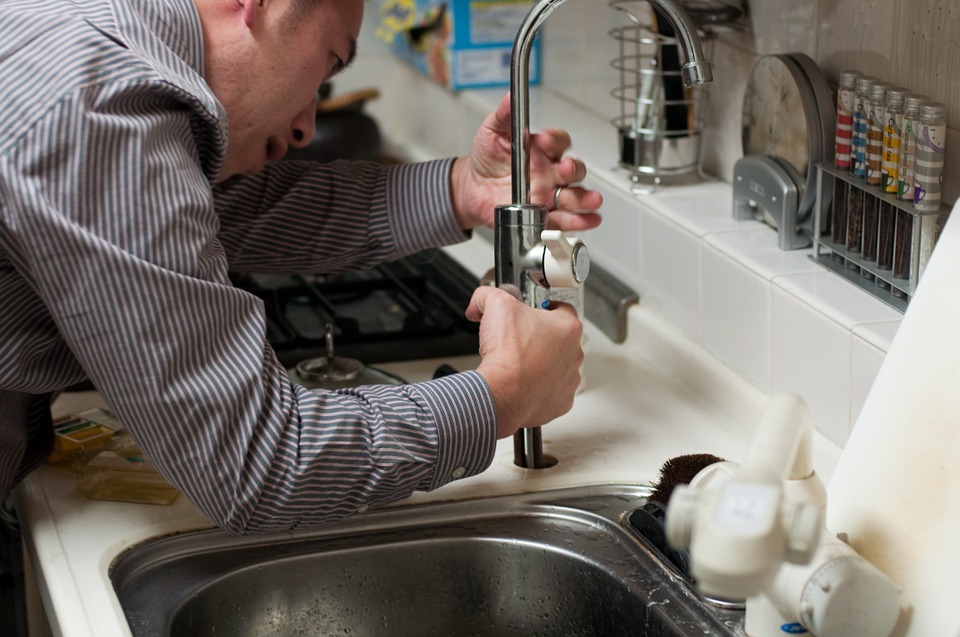
Whether you’re thinking about exploring careers in plumbing, or you’re curious as to how plumbing career progression might work, there are a few different routes that someone in the plumbing profession can take.

More...

Plumbing problems

Whether you dream of becoming a professional plumber or would simply like to improve your skills so you become handier around the home, a great place to start is understanding the most common plumbing problems and how to fix them.

From dripping taps to leaking pipes, here are just a few of the most common water woes you may come across:

More...

What are some plumbing safety precaution tips?

  1. Use the correct equipment
  2. Wear a mask to protect yourself from mould
  3. Get insured
  4. Wear protective eye goggles
  5. Use ear protection plugs or defenders
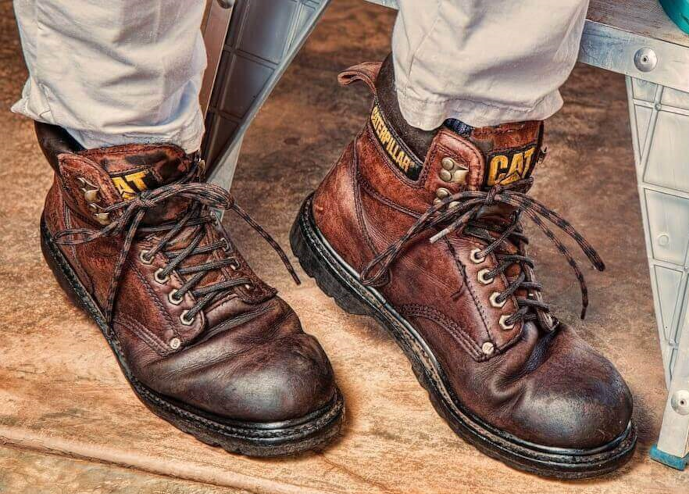
  6. Invest in slip resistant, steel toe cap boots
  7. Be prepared & plan ahead
  8. Stay hydrated
  9. Source reliable emergency contacts for when something goes wrong
  10. Brush up on your knowledge and skills with training courses
     

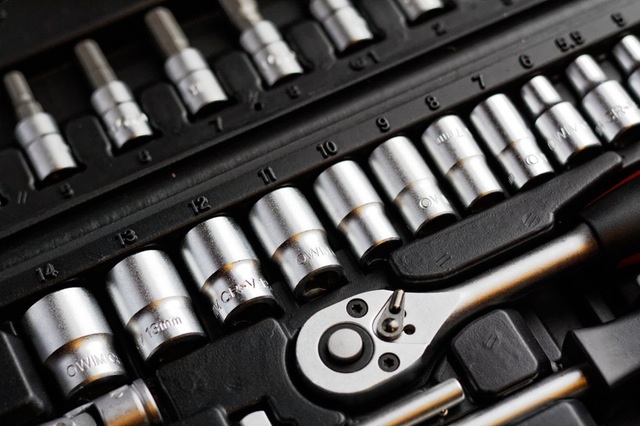
Plumbing tools

So you've decided that you would like to be a plumber, you've taken a quick look at the courses that we have to offer, and you've decided on the course that's most suited to you and the level of qualification you think you may require. But let us take a moment and explain to you in more detail what qualifications you need to fulfil your ambition and become a fully qualified plumber.

The minimum qualification that you need to become a plumber is the City & Guilds 6035 Level 2 Diploma in Domestic Plumbing. This qualification allows you carry out various domestic jobs, such as fixing taps, unclogging pipes, etc. If you complete our Essential Plumbing Course then you will gain this qualification. The City & Guilds 6035 is ideal if you are just entering the plumbing industry and would like to work alongside or become a domestic plumber.

If you would like to work on a large building site, or for a larger plumbing firm (e.g. British Gas or AA), you will first need to earn your NVQ Level 2. If you have no prior experience in the plumbing industry, don’t worry. Here at Access Training, we have developed two courses that are designed specifically for the absolute beginner - we'll train you up to become a fully qualified plumber in next to no time!


Professional Plumbing Course

Our Professional Plumbing Course will help you gain 4 industry-recognised qualifications:

  • City & Guilds 6035 Level 2 Plumbing
  • City & Guilds 6189-57 Level 2 NVQ Diploma in Plumbing and Heating
  • Unvented Hot Water Storage Systems Certificate
  • WRAS (Water Regulations Advisory Scheme) Certificate

These qualifications will allow you to enter the plumbing industry with a varied skill set, allowing you take on a variety of work. In addition to completing jobs for domestic clients, you will also be qualified to work on larger sites and for large plumbing companies, such as British Gas.

View Professional Course >


Premier Plumbing Course

Our Premier Plumbing Course is Access Training's most comprehensive course for aspiring plumbers. If you wish to become a fully-qualified plumber, we advise you to enrol in this course.

If you complete this course, you will not only become a skilled plumber, you will also become a qualified gas engineer. Our Premier course includes the following qualifications:

  • City & Guilds 6035 Level 2 Plumbing
  • City & Guilds 6189-57 Level 2 NVQ Diploma in Plumbing and Heating
  • Unvented Hot Water Storage Systems Certificate
  • WRAS Certificate
  • Part P Domestic Electrical Installer
  • ACS Gas Certificate

View Premier Course >


Entering the plumbing industry with these qualifications will set you apart from the competition, either in a job interview or if you decide to embark on a career as a self-employed plumber.

If you are already working as a plumber (maybe you have taken our Essential Plumbing Course or completed some work experience with an employer) then you can also undertake you NVQ Level 2 through Access Training.

If you are interested in becoming a fully qualified plumber, get in touch now to discuss your options with Access Training.

View All Plumbing Courses >

Online learning now available - click here to learn more!


Recently, the Royal Institute of Chartered Surveyors reported a shortage in the amount of trained plumbers in the UK, signalling an obvious opening for a fresh group of ambitious candidates who are keen to train in this field. In order to keep up with the demand for skilled professionals in the workplace, and to cater to the various needs of our candidates, we have devised a range of plumbing courses to suit a variety of abilities and requirements.

Essential Plumbing Course

Of all our plumbing courses, this is the option that best suits absolute beginners! Designed for individuals with little to no experience in the field, our Essential Plumbing Course is a fantastic way to gain a foundational understanding of plumbing work, upon which to build a prosperous new career. From fitting radiators to installing hot/cold water storage tanks, this course will give you an understanding of the essential aspects of plumbing work, allowing you to achieve a City and Guilds qualification as evidence of your achievements. Most importantly, you will learn how to perform all of these tasks safely, making it a great starting point for further training.

Professional Plumbing Course

If you're looking to cover a more comprehensive range of plumbing skills, then our Professional Plumbing Course is ideal. Like all of our plumbing courses, it is designed to suit the needs of individuals with no previous experience whatsoever, making it an ideal choice for both beginners and candidates with some previous knowledge of plumbing. Allowing you to train on a full or part-time basis, this course is both efficient and flexible to the needs of the individual. By the end of your training, you will have achieved four accredited qualifications, putting you on track to begin your new career as a professional plumber. 

Premier Plumbing Course

The most encompassing and advanced of all our plumbing courses, this training programme is ideal for candidates who wish to begin their career as a professional plumber and heating engineer. As part of our Premier Plumbing Course, you will gain gas and electrical qualifications as well as those in plumbing, enabling you to join the Gas Safe register and undertake a greater number of jobs. Despite the advanced nature of the course, it is still open and tailored to individuals with no experience in plumbing, as well as those who are simply looking to update their existing knowledge. On completion of the course, a successful candidate will have obtained six recognised qualifications, making it the perfect choice for those who wish to begin or resume their professional careers right away.

For more information about our plumbing courses, browse the selection here, or get in touch with us today.

This year, the United Kingdom has been facing its biggest skills shortage for a generation. There are huge talent gaps across a number of professions, including bricklaying and plumbing.

The scarcity of plumbers is now having large repercussions as we enter the winter months; not only are a number of construction firms having to cancel or delay new projects, a number of private firms are finding themselves unable to cope with the increased demand for plumbing maintenance and repair this winter. The country’s shortage of plumbers (combined with the increase in sick leave that’s to be expected at this time of year) is leaving older/vulnerable people without heating and hot water for extended periods of time.

In Sunderland this week, a diabetic pensioner went for 40 hours without heating or hot water because an emergency repair team was unable to cope with demand. It is reported that they had 10 emergency plumbers that were supposed to be working over the weekend; however, seven of the ten plumbers were off because of illness. This is not an isolated case, nor is it a regional shortage. This scenario is common throughout the whole of the United Kingdom.

The current skills shortage means that people who are willing to gain the skills to become a qualified plumber are getting heavily rewarded for their work. Fully qualified plumbers can earn between £1,200 and £1,800 a week, and because of the skills shortage, there is no shortage of work available. In short: there has never been a better time to enrol on a plumbing training course and gain the qualifications needed to become a professional plumber.

We at Access Training offer a large variety of trade training courses, from plumbing courses for people who have no or limited plumbing experience through to courses designed for professional plumbers looking to refresh their knowledge or to gain extra skills.

So, no matter where you live, what your circumstances are, or what your experience level is, we are confident that we have the perfect course for you.

Click here to view our plumbing training courses.

Having fully completed his professional electrician course, ex-rugby player and Access Academies student Xavier Rush has now turned his attention towards retraining in a second trade and begun a plumbing training course with us. We caught up with him during the fourth week of his six week course to find out how he's getting on and how the plumbing training has differed from his previous experience with the electrical training course. One thing's for sure, it's a very different experience to playing rugby for both the All Blacks and Cardiff Blues...

How are you finding the change from electrical work to a plumbing course?

It’s definitely the most practical I’ve done so far! There was a lot of theory with the electric but theory there is here is probably a lot easier to grasp. But then it’s also far more hands on too. It’s very busy – we’ve been working with low carbon steel and a lot of copper as well. I fitted a bathroom last week which was enjoyable – it’s nice to step back and see the results sometimes.

But a lot like the electric these are intense course and you pick up a lot of information and skills quickly. It helps that you’re learning from people who’ve been in the industry a long time.

Had you done any plumbing before starting the course?

No, before this I didn’t have a thing – I couldn’t even stop a leak. You’ve got to pick it up quite quickly as there’s no one there holding your hand. Once you’ve got an understanding of it all it gets a lot easier. It’s just knowing what fittings do what and what products you’re working with, that sort of thing.

Have you found anything especially difficult over the last four weeks?

I suppose it just takes you a while before you get competent with everything really. Nothing is truly mind boggling. There were a few issues fitting a bath, but it’s the kind of stuff you can get your head around.

How have the tutors been?

They’ve been great and a really big help this week especially. They don’t baby you at all, but make sure to tell you exactly where you’ve gone wrong – which is exactly what they need to do. If you were working in someone’s house and you spring a leak and their lounge ceiling falls in you’re going to be in trouble. So you’ve just got to know. It’s just like anything – the more you practice you have, the better you get. Its good being here because if you’re going to make mistakes make them here, that way I can waste your copper rather than mine!

How have you found the studying at home element of the course?

Like I said, you are picking up a lot of information in a short time so while you’re here you’ve really got to apply yourself for the six weeks. There’s a lot of going home, revising, getting ready for exams because if you don’t do the homework you don’t get the passes. You have got to read the book and retain that information. I’ve had many a late night drinking coffees at Starbucks looking like a bit of a geek.

And finally, how much time do you have left here before you’re all done?

I’ve got two more weeks after Christmas. It’s been an intense four weeks so it’ll be nice to have a bit of a break and then come back and hit it again. Because we’ve done so much over the last few weeks and put so many fittings together you should be able to retain a lot of the information. And then after that that’ll be it for me…for now! I might come back and do the one week electrical testing course just to freshen up on that. But it’s just brilliant to come here and reskill so quickly as an older person. I did carpentry when I left school but to think now I’ve got plumbing and electric qualifications backing that up. And to feel confident with that within ten weeks is berserk really – they’re skills you’ve obviously got for life.

I can look at stuff in houses now and understand it. Obviously it doesn’t give you all the experience – you’re still going to go out there and make mistakes but it’s given me a really good grasp of both industries, both the electric and the plumbing.

As Xavier approaches the end of his Access Academies training, we'll be talking to him again in the new year to discuss his overall experiences and his plans for the future. In the meantime if you have any questions you'd like to ask him about changing careers and retraining in a new trade, please let us know over on Twitter or Facebook. If you yourself would like more information on Access' extensive range of trades training courses (also including gas engineering, carpentry, bricklaying, plastering, tiling and painting/decorating), please get in contact with one of our course advisers on 0800 345 7492.

December may not seem like the most suitable time to be studying on a trades training course to become a professional tradesman, but the truth is these winter months are actually when plumbers, electricians, gas engineers, bricklayers and roofers are needed more than ever. With the end of the year just around the corner and the cold weather homing in on Britain, government-endorsed standards group Trustmark is warning owners to ensure that their homes are fully prepared before the harsh season hits.

Trustmark have already noted a rise in tradesperson viewings on their online database during October, which saw an a 36% increase in comparison to 2012. Across the trades roofers (32%), plumbers/heating engineers (35%) and electricians (20%) were the ones to see the biggest rise, and with heavy snow forecast until May 2014, these professionals are going to be needed more than ever.

Below is a list of quick spot checks Trustmark recommend doing to help reduce the risk of the winter weather causing damage to your home:

  • Most importantly, you should get your boiler and central heating checked/serviced by a Gas Safe registered engineer. By making sure your boiler is in peak condition, it will burn far more efficiently - meaning it'll use less fuel AND be warmer. Checking your boiler/central heating also means that if there is any serious problems, you'll be avoiding any tragedy that could happen.

  • Make sure your insulation is in good quality. Not just your loft, but also look into lag pipes, water tanks and draught excluders.

  • Clean out gutters and outlets of any leaves and debris, followed by checking for any leaks or damage.

  • Look out for any damaged or loose tiles on your roof (from ground level to ensure your safety). Leap an eye out for any leaks or condensation appearing on the ceiling.

  • Make sure no exterior walls have any cracked, loose or missing pointing. If they do, be sure to get it fixed before water can get into it.

They also highly recommend keeping a useful list of phone numbers of tradespeople in your area just in case of an emergency - plumbers, electricians, gas engineers, roofers, carpenters...whoever you might need if a problem should arise.

So if you're a tradesperson yourself, be prepared for your work to be more crucial to homeowners than ever - you never know when you're going to be needed. Alternatively, if you're looking to start a new career as a fully-qualified tradesperson now could be the perfect time to start. An intensive course from Access Training Academies can have you up and qualified in a matter of weeks - just in time to help those in need. To find out more about our range of courses, including plumbing, gas, electric and various construction trades, please give our advisers a call on 0800 345 7492.

When it comes to bathroom fitting it seems the homemade goods are the best ones, with new research finding British tradespeople to believe UK goods are far more reliable than those produced abroad.

The research, which comes from online bathroom retailer UKBathrooms.com, looked at 1,012 tradespeople from all of the UK who work with bathroom fixtures and fittings in order to gauge opinion. With a total of 47% agreeing that British made products are superior, it seems the majority of fitters are opting to buy from UK manufacturers wherever they can.

Questions asked for the research included:

  • "Do you take into account where a product is manufactured before buying?" 62% believed this to important, while the rest didn't seem to care as long as it did the job.

  • "Which manufacturing country do you believe produces the most reliable bathroom fittings/products?" This was posed to all that had answered yes to the previous question, with Britain coming out on top with the aforementioned statistic. Coming in second were Chinese made products with 19%, while Germany took the third place spot with 16%

  • "Do you regularly purchase British made bathroom fittings?" With 67% answering 'yes' to this. When asked why, reliability was the most common reason with 57% explaining that British made products tended to have better longevity. 35% also cited that support was much better, as any problems with UK items could be easily fixed. 24% even said they simply preferred the "design and style" of the home products!

  • Finally, respondents were asked "Do you think it's important for tradespeople to support British made products?" 52% believed it is indeed important, with 61% agreeing that the UK industry needed their support. 40% also said that they do so to keep Britain's bathroom manufacturing industry in good demand.

UKBathrooms.com director Peter Gregg commented that he was pleased to know UK-based bathroom manufacturers are "held in such high esteem amongst tradespersons". He then went on to discuss the benefits the company has seen in using them itself - a higher level of quality control, easier to source and shorter lead times than buying from production lines in the Far East.

He concluded by saying: "The manufacturing industry’s love affair with the market in the Far East has taken a knock over the last few years as more and more suppliers are looking at the possibility of a return to the UK. Tradespersons being supportive of UK manufacturing can only be a good thing to those looking at the possibility of coming back to Britain."

Fancy learning all about bathroom installations and having a go at it yourself, with the aim to even turn professional? If you're looking for a more active line of work, Access Training Academies offer high quality bathroom fitting training courses that will give you the skills and qualifications to make that a reality. At the end you'll also have the perfect grounding to continue on to more advanced plumbing training should you so wish. Give us a call on 0800 345 7492 and our course advisers will be happy to tell you more. Don't delay and book your place today!

Get in touch to learn more about our training courses!

First Name *
Surname *
Telephone Number *
E-mail address *
Ask A Question *
 
Security Character Security Character Security Character Security Character Security Character Security Character
Enter Letters (No Spaces) *